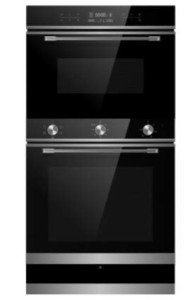
12 Companies That Are Leading The Way In Intergrated Oven


Integrated Ovens: Elevating Kitchen Design and Functionality
Integrated ovens have transformed modern-day kitchen areas, mixing effortlessly with cabinets and offering a smooth aesthetic while using innovative cooking functionalities. This article explores the benefits, types, functions, and considerations when selecting an integrated oven, together with often asked concerns.
Understanding Integrated Ovens
An integrated oven is created to sit flush with kitchen cabinetry, offering a constant, streamlined look that complements modern kitchen designs. Unlike standard freestanding ovens, integrated ovens are built into the kitchen systems, making them less noticeable and more visually appealing.
Benefits of Integrated Ovens
- Aesthetic Appeal
Integrated ovens are designed to boost the general look of the kitchen. They can be personalized to match kitchen cabinetry, producing a cohesive appearance. - Area Optimization
These ovens maximize readily available area, making them ideal for smaller sized kitchen areas or those with open-plan layouts. Their built-in style helps keep the cooking location uncluttered. - Advanced Features
Numerous integrated ovens come geared up with sophisticated cooking innovations, such as convection heating, steam cooking, and smart features that permit push-button control. - Improved Accessibility
Integrated ovens can be placed at an ergonomic height, decreasing the requirement to bend down when putting or removing dishes. - Increased Resale Value
A modern, properly designed kitchen with integrated appliances, consisting of ovens, can considerably boost a home's resale value.
Types of Integrated Ovens
Integrated ovens come in numerous styles and functionalities, accommodating different cooking needs and preferences. The primary types consist of:
| Type | Description |
|---|---|
| Single Ovens | Requirement ovens developed for simple baking, roasting, and grilling. |
| Double Ovens | 2 oven compartments, enabling simultaneous cooking at different temperature levels. |
| Combination Ovens | Includes multiple cooking methods, such as convection and microwave. |
| Steam Ovens | Use steam for cooking, suitable for well balanced meals and preserved nutrients. |
| Wall Ovens | Built into the wall, freeing up counter space and enabling a more ergonomic design. |
Key Features to Consider
When selecting an integrated oven, a number of crucial features need to be considered:
- Size and Capacity
Ensure the oven fits the designated space and satisfies your cooking needs. Typical sizes consist of 24, 27, and 30 inches. - Cooking Functions
Look for versatile cooking functions such as baking, broiling, roasting, and steam cooking. - Energy Efficiency
Choose for designs with high energy rankings to save on utility costs and reduce ecological effect. - Smart Technology
Functions such as Wi-Fi connection, remote monitoring, and programmable settings can enhance usability. - Cleaning Options
Self-cleaning modes and easy-to-clean interiors make upkeep easier. - Style Compatibility
Pick an oven that fits your design visual and matches existing kitchen cabinetry.
Setup and Maintenance
Setting up an integrated oven frequently needs professional assistance to make sure that it is fitted properly. Appropriate installation not just protects aesthetics however likewise improves cooking efficiency.
Upkeep Tips
- Routine Cleaning: Clean the oven's exterior and interior to keep its look and function.
- Examine Seals: Inspect door seals frequently to ensure they are intact, avoiding heat loss.
- Test Functions: Routinely check the various cooking functions to ensure optimal efficiency.
FAQs about Integrated Ovens
Q1: Are integrated ovens more expensive than freestanding models?A1: Yes, integrated ovens typically tend to be more costly due to their style, installation requirements, and advanced features. Q2: Can I install an integrated oven myself?A2: Whilesome people might attempt DIY installation, it is recommended to employ a professional to make sure appropriate fitting and connection to electrical or gas lines. Q3: What are the benefits of steam ovens?A3: Steam ovens are advantageous for maintaining moisture and nutrients in food
, making them perfect for healthy cooking. They can also reduce cooking times. Q4: How can I pick the ideal size integrated oven for my kitchen?A4: Measure your available area, consider your cooking habits and family size, and seek advice from
a kitchen designer if required. Q5: Do integrated ovens have guarantee options?A5: Most manufacturers offer service warranty choices. It's necessary to review the terms before purchasing an integrated oven. Integrated ovens represent
a considerable advancement in kitchen style and performance. They use an ideal blend of design, performance, and convenience, making them an excellent choice for modern cooking areas. By understanding the different types, functions, and considerations associated with choosing the best integrated oven, house owners can raise their cooking experience while enhancing their kitchen's total visual. Whether one is a cooking novice or an experienced chef, an integrated oven can offer the tools needed to prepare delicious meals and bring delight to the kitchen. With visit link of options offered, possible purchasers need to thoroughly evaluate their needs, preferences, and spending plans to make an educated purchase that aligns with their culinary goals.